
The Parent's Guide to Bedtime Stories
- bedtime stories
- parenting
- routines
- sleep
Bedtime stories are one of the simplest, highest-return habits in parenting: a few minutes of reading aloud each night builds your child's vocabulary, deepens your bond, and signals to their body that sleep is coming. This guide covers why the ritual matters and how to build a bedtime story routine that survives even the exhausting nights.
Why bedtime stories matter
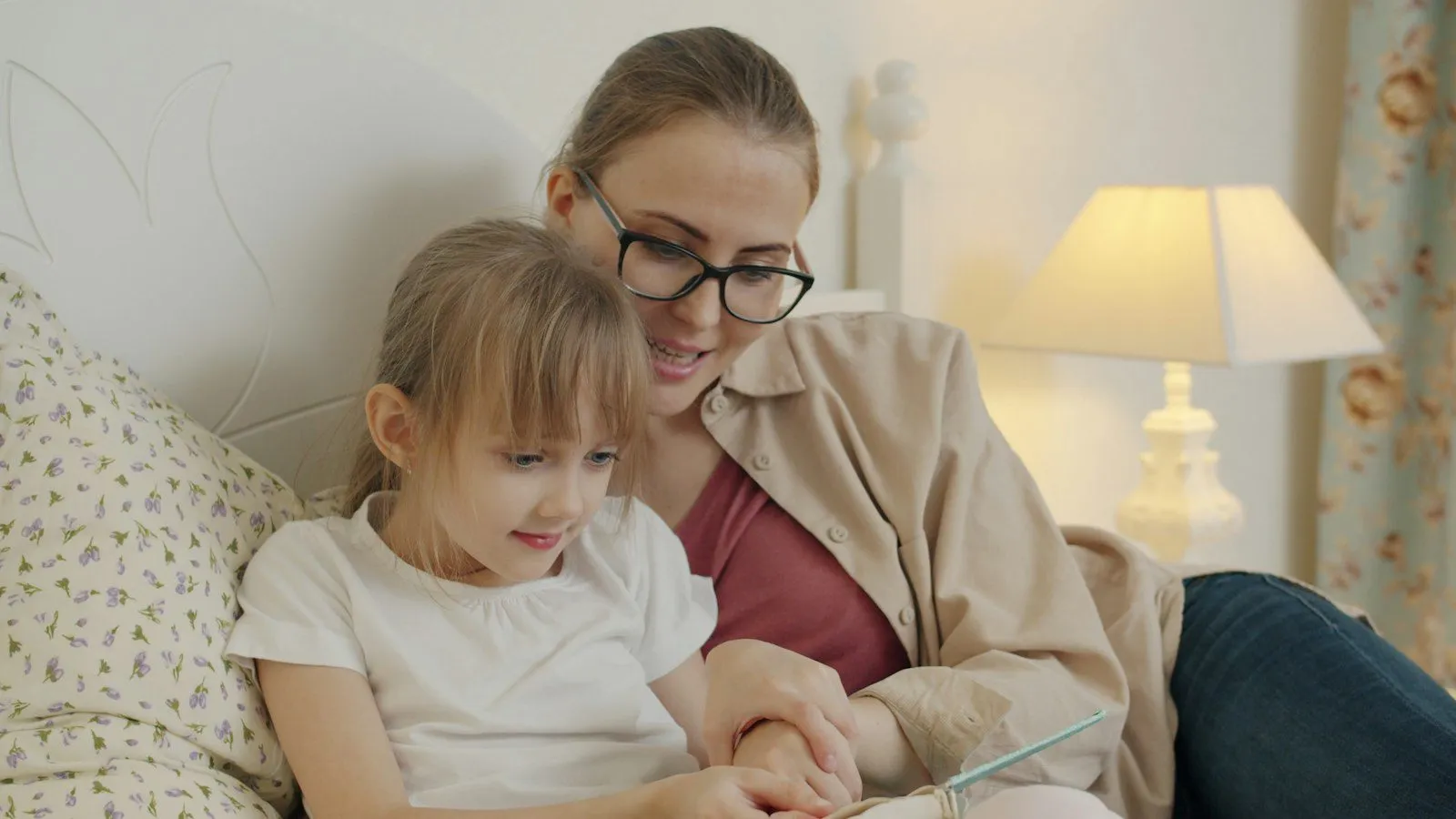
The nightly story does a surprising amount of quiet work. It bonds you and your child in a shared moment with no agenda beyond being together. Tucked against your shoulder while your voice does something playful, kids often choose this window to mention the thing that happened at school or ask the question they held all day.
It also grows language. Read-aloud books use richer vocabulary than everyday talk, introducing words a preschooler would rarely hear at the dinner table. Hearing them tied to a picture and a feeling is how children absorb them. Decades of early-literacy research point the same way: kids who are read to regularly arrive at school with larger vocabularies and stronger listening comprehension.
And, most practically for tired parents, it cues sleep. A predictable sequence of calming steps tells the nervous system that night has arrived. When bath, teeth, and a story happen in the same order every evening, the story becomes a signal to slow down.
How to build a bedtime routine that sticks
The goal is not a perfect routine but a repeatable one. A ritual you can pull off on a good night and an awful one beats an elaborate one you abandon in a week.
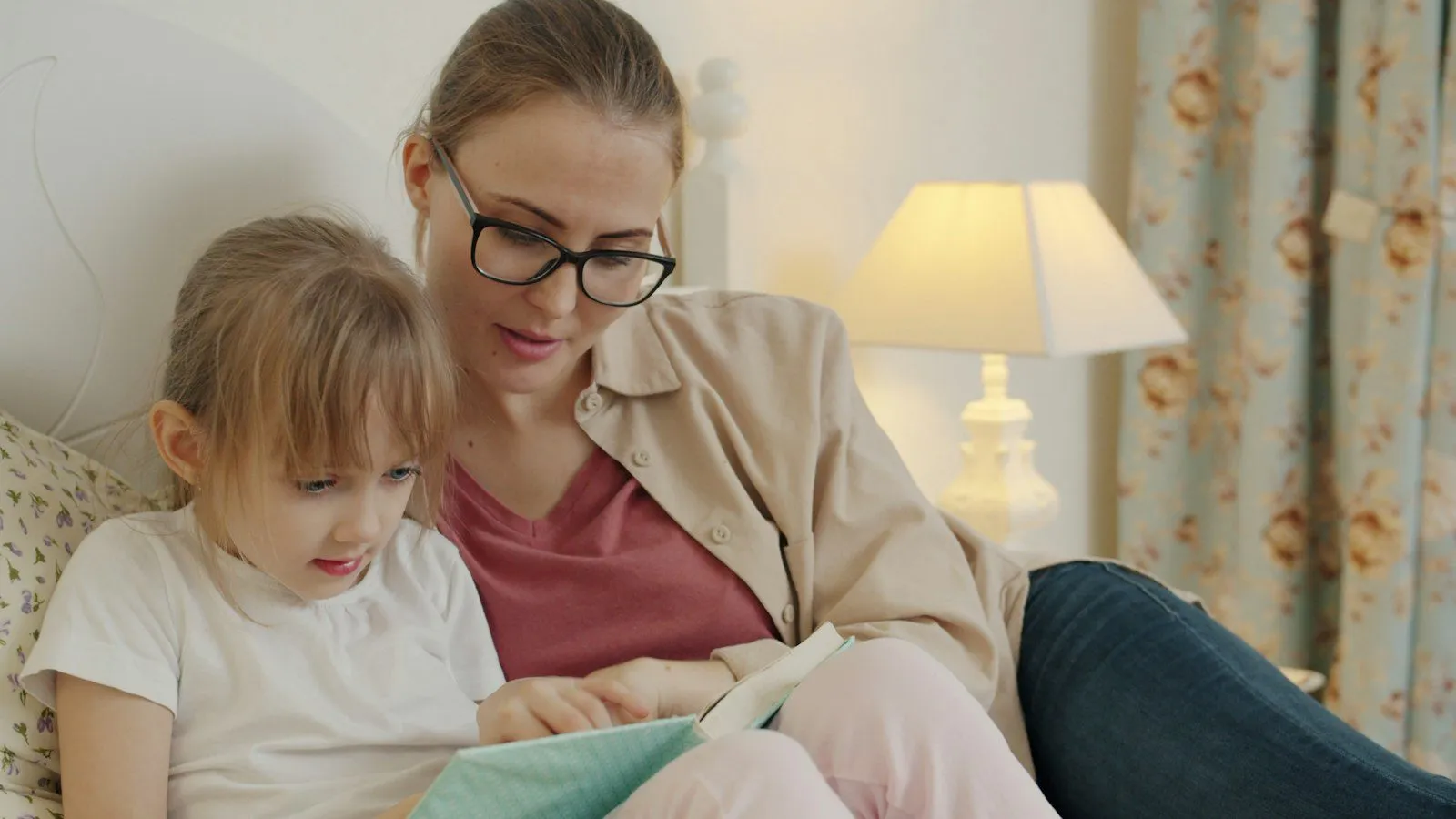
Anchor the story to something that already happens. Teeth get brushed every night, so let the story follow immediately. Keep the sequence short and always in the same order: pajamas, teeth, into bed, story, lights out. The predictability is the point.
Pick a consistent length and hold to it, because open-ended bedtimes invite negotiation. "One story, or two short ones" is a boundary a three-year-old understands. Decide before you sit down, say it out loud, and stick to it, so the end feels less like something being taken away.
Mind the environment. Dim the lights before you start, and keep screens out of the room, since their light works directly against the wind-down you want. A small nightlight and a consistent goodnight phrase steady an anxious child.
Finally, protect the ritual on hard nights. When you are running late or too tired for voices, a single short, familiar book still counts. Consistency matters more than performance: a two-minute story keeps the habit alive, while skipping teaches your child the ritual is optional.
Choosing the right bedtime books
The best bedtime book is rarely the most exciting one. Save loud, plot-twisting adventures for daytime; at night you want a gentle arc, a calm ending, and a rhythm that slows the heart rate.
Match the book to your child's stage. Babies and young toddlers love board books with big images, repetition, and rhyme, caring more about your voice than the plot. Preschoolers can follow a real narrative and love stories they can predict and finish aloud with you. Early readers may want to read a page themselves, which is wonderful, though at bedtime it is fine to let them simply listen.
Lean into repetition without apology. Children ask for the same book night after night because repetition is how they master it, anticipating what comes next and noticing new details. You may be bored of the caterpillar; your child is doing real developmental work.
Personalization is a powerful lever, too. Kids pay closer attention when they see themselves in a story, whether the hero shares their name, their pet, or the fear they are working through this week. This is one place a tool like Noctly can help, letting you create an illustrated, narrated story built around your own child. Used lightly alongside the picture books on the shelf, it can turn a real worry, like the first day of school, into a story with a calm, confident ending.
Handling bedtime resistance
Even a beloved routine hits friction. The classic move is the stall: another story, another glass of water, another question. Some is genuine winding down; some is a bid to stretch time with you. The answer to both is warm, boundaried consistency. Name the number of stories in advance, then keep your voice calm and your answer steady: "We read our two stories, and now it is time to sleep. I will see you in the morning."
If your child is genuinely anxious at night, the story can carry some of that load. A book about a character who is scared of the dark and finds their way through gives your child language for the feeling and a model for handling it.
Keep the ritual special with small, repeatable touches: a particular blanket, a goodnight phrase, a voice you always do for a favorite character. These little constants are what a child remembers years later. And let yourself enjoy it, because this window is genuinely short. The nights feel long, but the years are not.
Key takeaways
- Bedtime stories build bonding, vocabulary, and sleep signals all at once.
- A routine that sticks is short, predictable, and anchored to an existing habit like brushing teeth.
- Choose calm, gentle books for night, embrace repetition, and match the story to your child's stage.
- Personalized stories, including tools like Noctly, deepen engagement and help a child work through a specific worry.
- Handle stalling with warm, consistent boundaries and small touches that make the ritual feel special.